Missions to the Moon
What is Artemis?
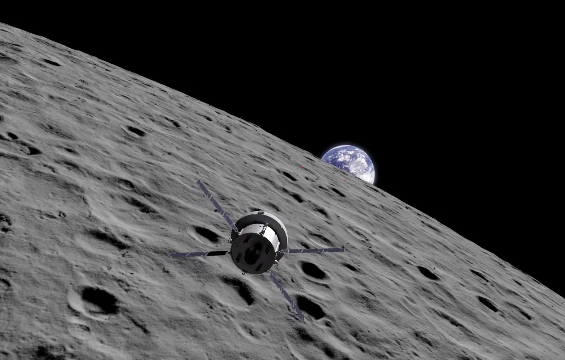
Named after the Greek goddess of the Moon (and twin sister of Apollo), the Artemis missions are paving the way for humans to return to the Moon.
Artemis I kicked off a new era of space exploration with an uncrewed test flight in 2022. This year, Artemis II will carry astronauts into lunar orbit for a trip around the Moon and back.
Artemis II will be the first crewed mission to go to the Moon since the Apollo missions over 50 years ago. These journeys are inspiring a new generation of scientists, engineers and explorers.
Later missions will test new systems, including docking technology and landers, before eventually landing on the Moon.
To get to the Moon, a crew of four astronauts will launch using one of the world’s most powerful rockets, the Space Launch System. They’ll travel in a camper van-sized capsule known as the Orion spacecraft.![[Space Launch System]](/media/a4ydrnol/nasas-space-launch-system.jpg)
Photo: An artist's concept of NASA's Space Launch System (SLS) (Credit: NASA/MSFC)
Ultimately, the Artemis missions are headed somewhere Apollo never went: the Moon’s South Pole. Artemis II will photograph the surface during its flyby, looking for the right landing spot for future missions. The Moon’s South Pole has shadowed craters filled with water ice that make it a practical place to land as we prepare for future exploration.
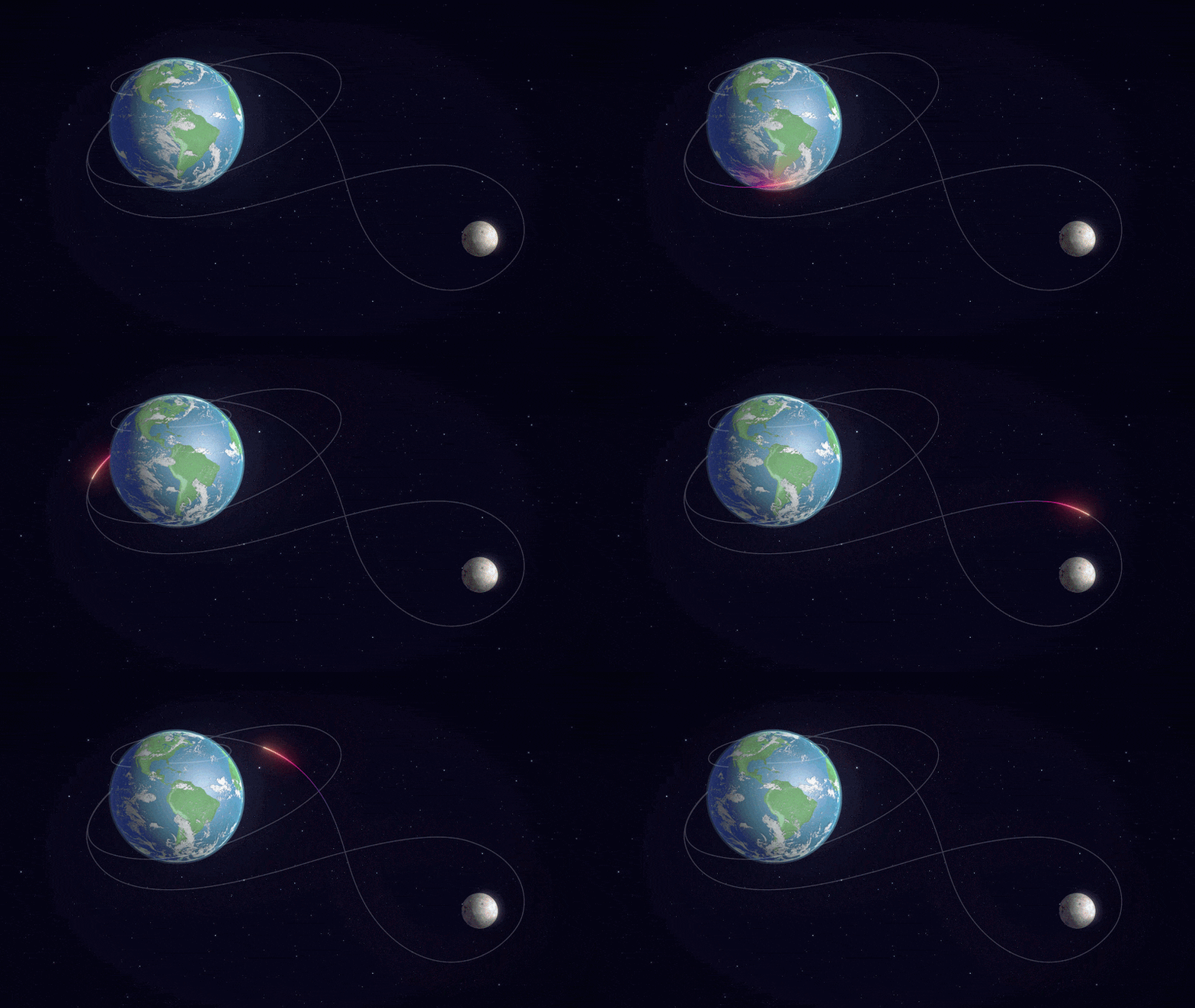
Video: Artemis II Flight Path (Credit: NASA, Kim Dongjae - eMITS)
Artemis is an international collaboration, bringing together many nations with various plans to establish bases on and around the Moon. These bases will allow astronauts to live and work in deep space. There, they’ll be able to build the knowledge and technology needed to eventually explore Mars.
Canada’s Place in Space
Canada is going to the Moon! Canadian Space Agency (CSA) astronaut Jeremy Hansen will be the first Canadian to make the trip, as Canada becomes only the second country to send an astronaut to the Moon.
Canada secured its seat on Artemis II by being a world-leading expert in space robotics. Two generations of the robotic arms have been designed and built in Ontario by MDA Space and we’ve committed to build the Canadarm3 for the upcoming Lunar Gateway.
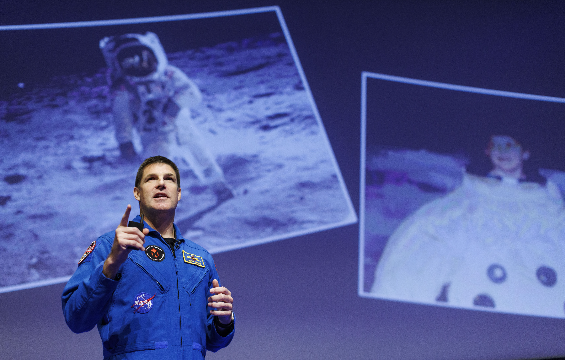
Photo: Jeremy Hansen at Ontario Science Centre in 2023
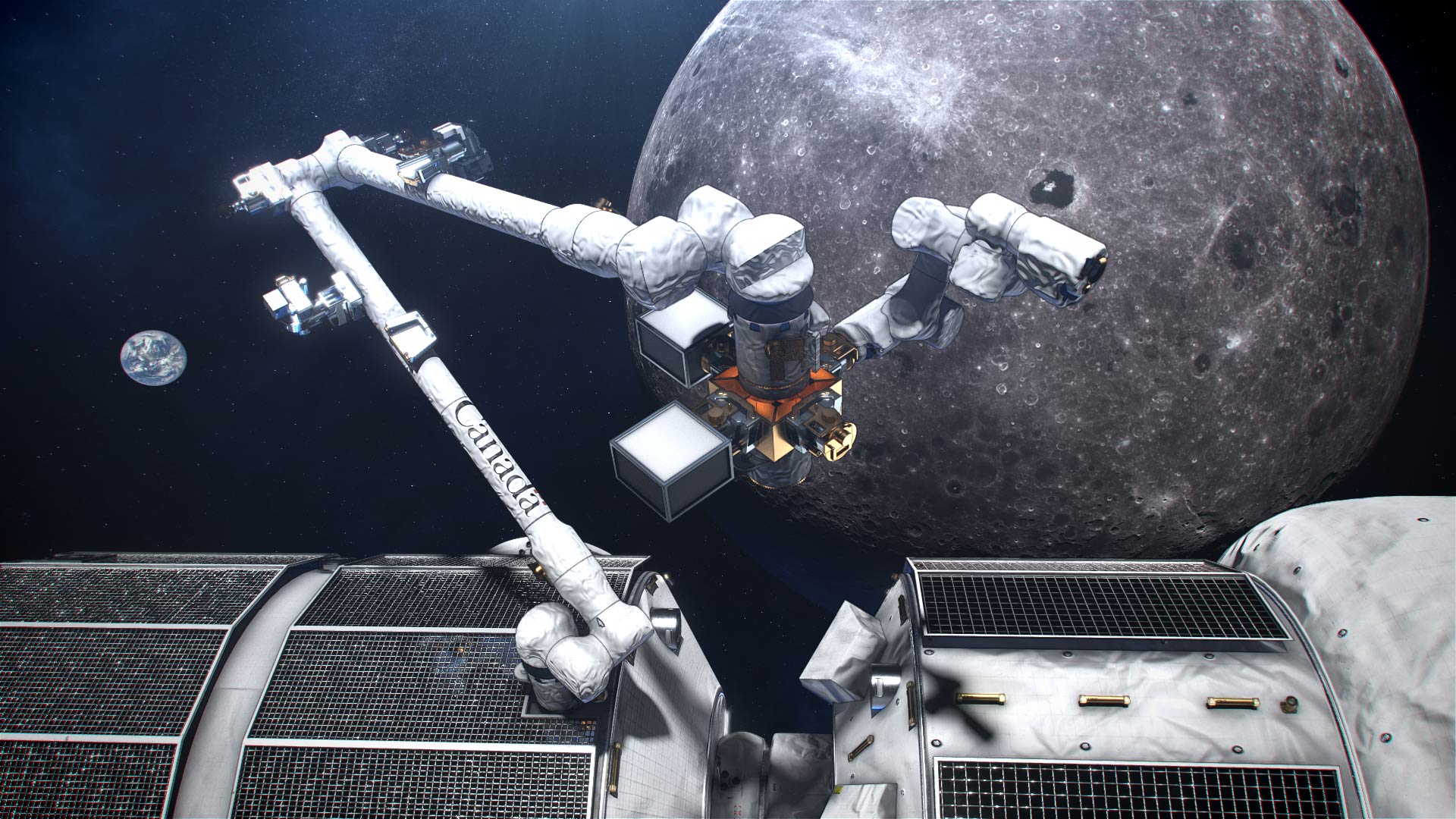
Photo: Artist's concept of Canadarm3 to be located on the Gateway, a small space station in orbit around the Moon. (Credits: Canadian Space Agency, NASA)
Did you know?
The Apollo guidance computer had only four kilobytes of memory. With that limited technology, NASA launched a rocket into space, guided three astronauts to the Moon, landed two of them on its surface, returned them to their original craft and brought them home again. Today, a base model smartphone has 2,000,000 times more memory to work with than Apollo 11 did!
Header image photo credits: NASA